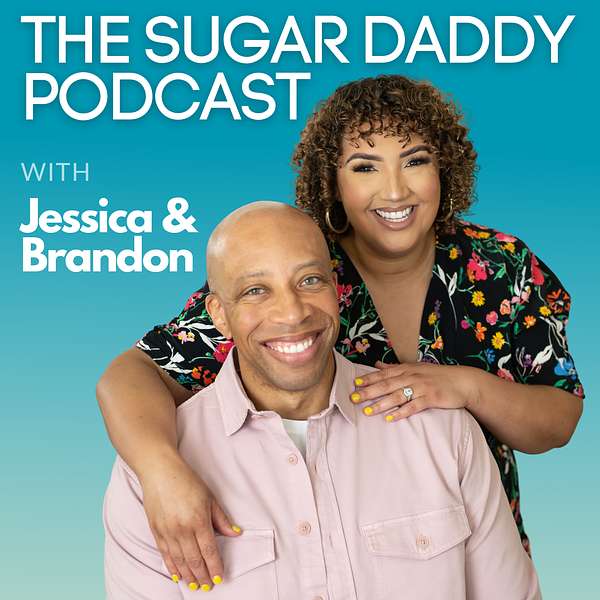
The Sugar Daddy Podcast
Ready to feel confident and in control of your money?
Welcome to The Sugar Daddy Podcast, the podcast that helps you build a clear financial plan so you can feel confident and in control of your money.
This show is for people who make “good money” but feel disorganized and unsure what steps to take next. Each episode is designed to help you turn a solid income into a real plan; one you actually understand and can act on.
Whether you’re working toward financial independence, trying to get organized, or learning how to make smarter decisions around saving, investing, budgeting, or talking about money with your partner, hosts Jess and Brandon break it all down in a way that’s simple, practical, and easy to implement.
Brandon is an award-winning, licensed financial planner and owner of Oak City Financial, with over a decade of experience helping clients across the U.S. build clear, confident financial plans.
New episodes every Wednesday.
The Sugar Daddy Podcast
119: 4 Money Seasons Most People Misunderstand (And Pay For Later)
Financial planning isn’t a one-size-fits-all game. Life happens in seasons, and your money should move with them.
In this episode, Jessica and Brandon break down the 4 major financial seasons, Building, Stability, Stretch, and Harvest, and help you identify which one you’re in right now. We’re talking real-life money shifts, mindset changes, and how to give yourself grace when your financial plan needs to adapt.
Whether you're stacking cash, raising kids, recovering from setbacks, or preparing to enjoy your freedom, this episode will help you make smarter, more aligned money moves.
In this episode:
- Why financial planning is a verb, not a one-time fix
- The 4 key financial life seasons we all cycle through
- How to shift your goals + habits to fit your season
- What to focus on if you’re overwhelmed in your “Stretch” season
- Why money guilt is real, and how to let it go
Subscribe to The Sugar Daddy Podcast newsletter
Head over to our YouTube channel to catch this episode in full video form.
Apply to be a guest on the show.
You can also email us at: thesugardaddypodcast@gmail.com
Connect with us on Instagram
We’re most active over at @thesugardaddypodcast
Chat with Brandon
Want to work together? Learn more about Brandon
Book a free 30-min call to see if it's a fit.
Show us some love, hit subscribe, leave a five star rating, and drop a quick review!
Money, relationships, and the mindset to master both. Hosted by financial advisor Brandon and his wife Jessica, The Sugar Daddy Podcast breaks down how to build wealth, unpack old money beliefs, and have real conversations about love and finances. Their mission? To help couples and individuals grow rich in every sense of the word: emotionally, relationally and fina...
We talk a lot about financial planning, like it's this one size fits all, set it and forget it kind of thing. But the truth is life moves in seasons, and your money has to move with it. Some seasons are for stacking cash and crushing goals. Others, they're about staying afloat and keeping your peace. Today, we're diving into the natural ebbs and flows of your financial life. We're talking about how to identify the season you're in and how to adjust your mindset and money moves, and why it's okay if things look different now than they did a year ago or will a year from now. Let's get into it.
SPEAKER_03:Sugar teddy podcast, yo. Learn how to make them pockets grow.
SPEAKER_02:Hey babe. What are we talking about today?
SPEAKER_00:Today we are talking about the seasons of our money.
SPEAKER_02:Yes. Um I think sometimes people think from a planning standpoint that it's more of a static thing where you put a financial plan in place and now you have your plan when the way that you really need to think about it is the continuous act of planning. Because you're always going through different seasons of life. And as you go through the different seasons of life, you're going to need different things. You're going to have different goals. You're going to have different mindsets that are going on. You have different responsibilities that are, you know, taking up your time. So you're going to have to be able to be flexible in identifying the different seasons that you're in and what those different needs are are going to be in each season.
SPEAKER_00:Yeah. I think it's an important conversation. I we've said it in a couple of other episodes, but planning, it's a verb. It's it's an action. It's not uh something that you do once, it's something that you're actively doing. And I think what's really unique, and we've talked about this as well, is you are a planner that is in the season of life that a lot of your clients are in and or are coming into. So thinking about your clients that maybe are a little bit younger and now they've bought the house and now they're adding the kid, now they're adding kid number two. It's like, okay, we've done that, so we can help you navigate that. And I say I say we, and I'm not actually doing it, but I've done it recently. And you've done it recently. Whereas, you know, does it make sense to have an advisor who's maybe advising your parents who did it and their kids are now our age? Like we are dealing with very different times than our parents, and we have to make money moves in different ways. And so I think it's really important to acknowledge that the season you were in when you were single is a very different season than when you're in a partnership and when you get married, which is a very different season than when you add kid number one, kid number two, you know, whatever that might look like. Um, and then going into okay, now we're back to being empty nesters. Now we're planning for a retirement. Those are all seasons that are going to look different, and our money is going to look different.
SPEAKER_02:Yeah. And there are some, you know, um seasons that are familiar for each of us as far as the different ones that you go through in your life. And it's not just it necessarily that you go through one and you never go back to that one because you could be jumping around. But there are, you know, maybe four common seasons that most people can kind of relate to. Um, one of them being the building season. You know, this is gonna be those people that are early in their careers, you know, maybe you might be even be starting over or you're recovering from a setback. But at this time period in this season, you're gonna be focused on income growth, debt reduction, learning, things of that nature. That's gonna be that building season.
SPEAKER_00:You could, I would even say if you maybe are newly divorced. Oh, yeah, right? Like now you're starting from a partnership recovering from a setback. Yes, exactly. So yeah, I mean, I just I wanted to also make sure that people understand like it's not, hey, I'm no longer 24, I'm not in my building season. Like, no, there are different building seasons.
SPEAKER_02:The seasons that we're about to go over are not, you know, sequential in order, and that's just how it goes. Like you might be jumping around at different periods. So there's just four identifying seasons that you could be in in your life.
SPEAKER_00:I'm I'm even thinking of when we become empty nesters, which I know feels like a long time away, but also we know how fast time goes, so it's not that far away. But that will be a season where we will have to build our relationship over because our life is going to look very different again, right? Like our schedule right now is so much to do with the kids and what they need and their activities and all their stuff. Once they're empty once we're empty nesters, we're gonna be building our life and what that looks like kind of anew.
SPEAKER_02:Well, I mean, we'll get into maybe how that I feel a little different about what that that period would look like.
SPEAKER_00:Okay.
SPEAKER_02:But um, you also have, you know, the stability season. This is once, you know, you got a little bit more years under your belt, you know, your income is maybe a little bit more steady, your goals that you have set are kind of already in motion, you're working towards accomplishing them. And in this uh, you know, season, you're focused on building systems and planning for the future as far as you know, more from a um, what's the word I'm looking for? From a clear from from a more of a clarity standpoint. Because you know, when you're in the early building season, you you're you're just trying to get by sometimes and start to get some momentum going and you don't really exactly know exactly what you want that goal to be. Whereas once you've moved into stability season, you have a better idea of the goals you're looking to accomplish. So you're looking at putting in more specific plans in place to reach those goals.
SPEAKER_00:Okay. Would you say we are in the stability season?
SPEAKER_02:I would say, well, some of them overlap. I would say we're in the stability season. We have some aspects of stability season. But then I would also say that, you know, we um have some aspects of the next season, stretch season, where this is, you know, major life transitions.
SPEAKER_00:I feel stretched all the time. So this sounds more accurate.
SPEAKER_02:Kids, home buying, caregiving, maybe even job changes. And with all these things occurring, sometimes, you know, money might feel tight or emotional strain could be high. And I would say that we have some aspects of stability season that we're in, but we also are definitely experienced some aspects of the stretch season, especially with kids and the transitions that even though we our kids are, you know, uh six and almost eight, it's different each year as far as what their needs are and what that emotional need is on them and what that emotional strain could be on us to try to give them all these things and help them. So I would say we have both of those.
SPEAKER_00:Okay, I agree with that.
SPEAKER_02:But then you have um also you have, you know, number four could be the harvest season.
SPEAKER_00:I'm ready for that. And that's I need to reap what we've sowed, damn it.
SPEAKER_02:Just like it sounds like you're enjoying uh that's the this is the season where you're enjoying the fruits of your labor, you know. You've done all the fruits of the sacrifices, you've done all this long-term planning, you've done all this saving, investing, and now it's time to finally enjoy those things. Where but the shift here is now like maybe you're prioritizing your time as far as now you have more time, um, determining where you want to spend this time, you know, since you have this freedom, what is the highest value for you to do that? Yeah. So that's why I was saying that like I feel like when you were talking about the retirement standpoint from building, I still think it might still be you kind of could have some aspects of building from a relationship standpoint, but from a financial standpoint, hopefully you've done the planning correctly and you're in this harvest phase.
SPEAKER_00:Yeah. Well, I could see how you're some some of the seasons overlap or you move from one to another or forwards or backwards. So, no, that makes sense. I think too, one thing that we're really big on is, and maybe it's not this harvest season, but you know, there's some people who only delay their gratification.
SPEAKER_04:Yes.
SPEAKER_00:And it's like, okay, when I'm when I retire, when I retire. And it's like, uh, you don't know what that's gonna look like. You don't know what your mind is gonna be like, you don't know what your body's gonna be capable of. So we are very much, you know, save, invest, plan for the future, but also live life now, you know, like enjoy life, take the vacation.
SPEAKER_02:These categories aren't rigid. So they're you know, us breaking it down to four doesn't mean that there's not six or seven. So like you can have some more micro categories, but this is just to give you an idea of some of the ideas and the different, you know, uh characteristics of each season that you could recognize, and that could help you determine is what you need to be focused on in those given seasons.
SPEAKER_00:Okay. So what should people be focused on in the building season?
SPEAKER_02:Well, once again, this is one of the early-on seasons, and it's more focused on like, you know, learning, earning, so you know, earning as much money as possible, but then also starting to lay that foundation from a um financial uh literacy standpoint to begin with, but then also from a financial habit. Start to lay that foundation that's gonna help you later on as you progress through life and through your career.
SPEAKER_00:Yeah. I mean, if we knew then what we know now, we would we would potentially already be in our harvest.
SPEAKER_02:With that being said, like it's also, you know, like in that building season, don't rush because it is a long game. Because obviously there's things that you can do that can help, you know, quote unquote speed things up.
SPEAKER_05:Sure.
SPEAKER_02:But ultimately, most of the things that you're gonna do in your life is not going to bring you riches tomorrow.
SPEAKER_00:Right.
SPEAKER_02:So it is a long-term game.
SPEAKER_00:So like you said, building the habits.
SPEAKER_02:Yes, yeah. So this is where you're know, this is where you're focused on, you know, budgeting discipline, as far as making sure that you're not spending more than what you're bringing in. This is working on things that we always talk about, building your credit, getting a good credit score so that can help you, you know, get by the things that you are gonna need later on in life. With better, more favorable terms, starting your emergency fund. A lot of the basic um foundational aspects of financial planning, this is the season where you're gonna try to start putting those in place.
SPEAKER_00:Yeah. If you are early in career, but you have access to a 401k match, getting that 401k match is a good thing. 100%. You you know, if you do that for, let's say what, you're 22, 23 when you graduate college and you do that for seven years and now you hit 30 and you've been contributing, that is going to make a different, that is going to look very different.
SPEAKER_02:I think most people our age, that's the number one thing that they would go back. If they can go back and tell their self, younger self something is save more, invest more because of compound interest.
SPEAKER_00:Yeah. And I think also if we're real with ourselves, you didn't buy anything in your 20s for the most part that you remember or that had great value to you now. Like you didn't. Yes. I didn't. You know, now experiences. You bought your first home, I wasn't putting my home in that category, obviously.
SPEAKER_02:I'm trying to give you some some kudos.
SPEAKER_00:No, I'm talking about the other things.
SPEAKER_02:You know, I get too.
SPEAKER_00:Yeah. So I think you know, making those choices, differentiating between needs versus wants. Yes, those are those foundational building blocks that will make a difference and you will see you will have an earlier harvest in your 30s and 40s than if you don't start. Yes. You know, so think about that.
SPEAKER_04:Yes.
SPEAKER_00:Compound interest, the eighth wonder of the world.
SPEAKER_02:Yes.
SPEAKER_00:Yeah. Okay. What do we need to know in our stretch season?
SPEAKER_02:You skip the stability season.
SPEAKER_00:Oh, I'm so sorry. Okay. So building to stability. So we are you we are getting to a stability.
SPEAKER_02:Yeah. So at this phase, now you're really focused on consistency and automation, automating anything that you can. So since remember, in this one, you have a little bit more steady income, automate that makes automation a lot easier. So automating your investing, automating your savings, automating, you know, obviously.
SPEAKER_00:Your bill pay.
SPEAKER_02:Of course, you know. But then you're also starting to add in some other aspects of your finances that maybe you weren't thinking about during the building phase. And that could be, you know, life insurance, disability insurance, you know, those insurance reviews, some of the things that you may not be thinking about earlier on, but now you're getting a little bit older, and you're also, you know, you're might be, you know, in a few years going into that stretch season. So these are the things you want to put in place during the stability season. Now, um, you also want to focus on, you know, for example, um locking in those good habits. Because as I was just stating, you know, once you're able to lock in the good habits and at the stability stage, if you're able to reduce mental overload by not having to make all these decisions actively every um every month because you already have the automation set up, that's gonna help you as you move into the stretch season. Now, ideally, we would like to have all these things in place, but let's be honest, most of us don't. So, for example, you know, I have plenty of clients where, you know, we are in the stretch season with them because they just have their first kid. And unfortunately, you know, we didn't quite get everything in place that we want to get in place when it comes to the stability and building aspect. Whereas now you're in the stretch season and we're also having to add certain aspects of those other seasons to get them kind of caught up. And that's the reality of for a lot of people. But if you can ideally recognize what season you're in, why you're going through it, and focus on the needs of that season and taking care of that as you move to the next one, it's just gonna make it that much easier.
SPEAKER_00:Well, and you have, I would say most of your clients are our age, right? Like that 35 to 44, give or take, obviously.
SPEAKER_02:And I'm also saying, like, we didn't have everything in place that we would have liked to have going through each one of these seasons. Right. Just being real. Like this isn't me looking at everybody else and saying, they didn't do this. We didn't do certain things that I wish I could go back in time and have done.
SPEAKER_00:But I was gonna say, you have started bringing on younger clients who maybe are coming to you in this the building season, even. Because you've you've had some people where you're like, whoa, they're really young. I wonder, you know, what I what they want me to help them with, which is great.
SPEAKER_02:And now you've And it's not even a matter of like, I'm sometimes okay, so like I know what I can help them with.
SPEAKER_00:Of course.
SPEAKER_02:I always just kid like because most of the times, you know, I would say most people are coming to me, you know, mid 30s.
SPEAKER_00:Sure. But like so, when you get a 26-year-old, you're like, whoa.
SPEAKER_02:Like someone in their mid to late 20s, I'm like, they're really ahead of the curb.
SPEAKER_00:May I'm sometimes I wonder, is there something so dramatic that I, you know, it's kind of like I mean, but I think you know, something crazy, but whereas there's social media, there's Reddit threads, like people are hearing more and more again, value of like, hey, if I work with somebody early, I can get these things in place.
SPEAKER_02:And I love it when people that age come to me and they're they're, you know, they're doing, you know, they're starting to do some of the right things. They're really thinking about the things they need to do. And they're doing it at such a young age. And I first thing I always hit them as one kudos to even reaching out to have that conversation because I know that can be an intimidating conversation, intimidating conversation for anyone, regardless of what age they are, let alone someone that young. So reach out to have the conversation with me and then also be willing to take those actions. Like that's amazing because I didn't have that at you know, 26 years old.
SPEAKER_00:Well, but what triggered that thought for me was when you said, you know, maybe in the stability season you didn't get everything done that you wanted to. Well, like that's dependent on how people come to you. Correct. Right. Correct. So maybe um, you know, you're you're wanting to focus on the stretch season, but you have to focus on the stability portion because maybe they have only been with you for a few months, or, you know, like so obviously the earlier you can start that process, the better. Cause then you can help hold people's hands through those transitions. Because you have clients where they came to you mid-20s, you know, now they've bought a home, now they got married, now they're having kids. Like you're really holding their hand through all of those transitions, which is the support that ultimately you're trying to give to people, which is amazing.
SPEAKER_02:Yeah.
SPEAKER_00:So, um, okay, so stretch season.
SPEAKER_02:Yeah. So the stretch season. Sorry. Uh, this could sometimes be seen as like one of the harder seasons.
SPEAKER_00:I feel like this is a hard season. I was oh my gosh, work, kids, household. I mean, oh my gosh.
SPEAKER_02:Because honestly, what you're only focused on is surviving.
SPEAKER_00:Yeah, we are not thriving, guys. Just to be very clear, we are surviving.
SPEAKER_02:And then also anything that you can like simplify, you go ahead and do that. So I often sometimes with, you know, because we're in the stretch season and I have clients that are thin in the same season. And sometimes I will literally say to them, I'm like, do you want optimized or do you want simplified? Because sometimes the optimization, you know, takes a few more steps to get the most optimal outcome.
SPEAKER_00:Oh, what do people choose?
SPEAKER_02:A lot of people sometimes choose the simple one where like it still has your brain, our brains are just so overloaded. It still has a good outcome. Positive impact. Positive that is suitable for the scenario. It might not just be quote unquote the one that, for example, maybe yields the most money.
unknown:Right.
SPEAKER_02:Well, it's like right now they're like, we know we can't, we understand what you're saying, but we can't process adding more things on our plate to get to this other goal. Whereas we can get to this goal over here and it's acceptable to us. We understand that it's not going to bring the most money, but it's significantly less depths.
SPEAKER_00:Yeah. Yeah. Sometimes you just got to choose the one that like makes the most sense for where your head is right now. Yeah, capacity playing out.
SPEAKER_02:What it is is really you're having your you're becoming clearer on your priorities. And often in this one, especially with the stress season, we kind of really associate it with like having children, is that your children are one of your highest priorities. So you really are kind of focused on maximizing time with them because that's limited. And with doing that, you know, you got to reduce the guilt that you may have because you're not quote unquote optimizing or taking care of some of the other things at this moment. Because sometimes it is going to be a give and take where, you know, the same 24 hours that you had as a married couple without kids is going to be the same 24 hours you have now adding, you know, for us two little humans that we have to uh take care of as well. Yeah. So you can't necessarily always do all the things that you want to do. And sometimes you just have to realize that and let go of that guilt and just do the best that you can in this phase.
SPEAKER_00:Move move forward, even if it's like inch by inch instead of mile by mile.
SPEAKER_02:And like the main over, you know, arching one for this one is just get rid of the shame. Because I have so many, like I said, I have a lot of my clients, I said like kind of mirror where I am from an age standpoint. And so we're in this together. And the one thing I always say to them is they're like, I should be doing this, I should be doing that. But I was like, hey, but you are doing this, you're doing this, you're doing that, but you also have all these other responsibilities in this season that you have to worry about. Yeah. And you can't compare yourself to maybe someone else who doesn't have kids.
SPEAKER_00:You know, that's you can't do or got a massive inheritance or is a trust fund baby or sold their house for, you know, 50% more than it was worth because they they sold it during the boom.
SPEAKER_02:And the thing is here, during the stretch season, hopefully you've been doing the things, you know, correctly within the building season and also stability season. So now you have a good uh basis to lean back on. So, for example, like we've talked about this before, where people do a great job of building up that emergency fund, and then a proper emergency happens that they should use the emergency fund. They don't want to use the emergency fund. They don't want to use the emergency fund because of the guilt behind, oh, I should have been prepared for this. Like you literally are prepared. That's what this is for.
SPEAKER_00:Yeah, yeah. This is this is an emergency. Use your emergency funds. I know people have such a blocker against that, you know.
SPEAKER_02:The thing is for me, is I always play the people like obviously, you know, the idea is that we don't want to have emergencies happen. Like nobody wants it to happen. But if you have the habits to build up that emergency fund, an emergency happens and you use it, you still have those same habits to build it back up again.
SPEAKER_00:Yeah, yeah.
SPEAKER_02:So okay.
SPEAKER_00:Let's talk about um the season we're all like fantasizing about because we're so tired.
SPEAKER_02:The harvest season.
SPEAKER_00:The harvest.
SPEAKER_02:This is like I said, this is basically just enjoying the fruits of your labor. This is, you know, you've gotten through all the other phases, and now you just get to find Finally, you know, live the life that you want based upon what you find value in. You know, you're not necessarily sacrificing certain things where now you can really just focus on, hopefully, you know, in this scenario, you can really just focus on yourself. You and your partner can determine what it is that you know you do actually want to spend your free time doing.
SPEAKER_00:Yeah. Slow down, give yourself permission to enjoy what you've been building all these years.
SPEAKER_02:Now, with the caveat, you do have certain needs that come into this phase because, like I said, most of the time this phase is more associated with like becoming work optional slash retiring. So you do have to do some proper income planning because all the other years before that, all the other phases, you're in the accumulation phase. You're making money, putting it to work for yourself. Now you're in the deaccumulation phase. All that money that you've built up over time, now you're using it to live off because hopefully in this, you know, this phase you're not necessarily working. So you do have to be careful in regards to having proper planning when that comes into place. But then that's also talking about like, hey, you know, what do I want to do with my money outside of just living off of it? You know, if you're someone that's been really heavy into giving to charities, um, you might want to go ahead and, you know, obviously do some charitable giving and have that properly set up so that's maximized. Um, also, if you obviously if you have kids, grandkids, you know, what kind of legacy do you want to leave behind there? You know, I know one of the things that my mom is really big on is that my mom has done really well for herself financially, and she wants to leave a legacy where like she has done a lot of the legwork that helps everybody else um generation-wise after her when it comes to building upon the work that in the work and the finances that she's provided.
SPEAKER_00:But I do think she's also missing the component of living in the now.
SPEAKER_02:Yes. Yes.
SPEAKER_00:I would say all she's focused on is like when I'm gone, when I'm gone. And there's a lot of parts where she's not living in the present and she's not, I don't think she's living to the fullest.
SPEAKER_02:But it's that's part of the best part of the mindset of being in the harvest season is that some of the habits that you've built put in place that have helped you get there, you do have to switch them because a lot of times you have people the hardest part thing is people that are excellent savers become very hard to turn into spenders.
SPEAKER_00:Yes. No, she's she will never unless she goes to therapy. So a lot of things are not going to be. I think our generation is going to be better because I think we're already changing our mindset of I'm not working until 65.
SPEAKER_02:But we're also we're we're also thinking about it. I think our parent generation, and definitely once before that, never actually sat down and thought about what do I want my retirement to look for. Never like what am I going to do? Like a lot of times that conversation wasn't had, but it wasn't, it wasn't, it wasn't going to happen anywhere.
SPEAKER_00:Which is why so many of them actually go back to work, right? You see the retirees working in the garden department at the Lowe's in the Home Depot because they're like, oh, I needed to get out of the house. I needed a hobby.
SPEAKER_02:I mean, I'm gonna use an extreme example. Like, I don't know Warren Buffett, but Warren Buffett just finally retired.
SPEAKER_00:Yeah.
SPEAKER_02:He's finally stepping away. Like he's in his 90s, like yeah. I mean, obviously, you can find some joy and stuff in like, you know, working and some aspects people say it keeps him young, but like to be working the willing to work to be working the beach in my 90s from my yachts from my mega yachts. The way that from the way that he was working, the constant day-to-day, probably, I don't want that enough.
SPEAKER_00:No, no, no.
SPEAKER_02:Not if I had his money.
SPEAKER_00:But that's what I'm saying. Like, I think we are very much thinking about like, ooh, when we retire, like what is that, what is that Tuesday at nine gonna look like? What do we want to be doing? Whereas our parents, and like you said, the generation before them, absolutely were not doing it. And now they're like, oh, I'm retired, what do I do? Oh, 100%, you know, and then they're bored and they end up playing pickleball for six hours a day.
SPEAKER_02:Like leave my mom alone.
SPEAKER_00:Listen, uh, that's that's not what I want to be doing. So I think there's also we need to be finding the balance of stacking, building the habits, automating all those things, but also living and then enjoying the fruits.
SPEAKER_02:Yes.
SPEAKER_00:You know, because there's no point to me, my values do not align with just hoarding cash until I die so that somebody else can have it.
SPEAKER_02:Well, the biggest thing here is like giving your permission, yourself permission to actually enjoy what you've built.
SPEAKER_00:Yes.
SPEAKER_02:And I think that's like you said, that's the hard the part that my mom's having a hard time switching her mindset to. It's enjoying what she's built.
SPEAKER_00:Yeah. I mean, we've had a financial therapist on. We and I think there are people absolutely like your mom who could benefit from unpacking. Uh and we know other people's parents too.
SPEAKER_02:This is a common theme amongst that generation.
SPEAKER_00:Yes. This is this is very common of people who have done well for themselves. Who who either can't stop working because they don't know how, or they don't know how to just be. Like they don't even know what what would not working look like. They have no concept, they haven't thought about it. That's all I think about. Listen, let me be very clear. All I think about is not working. And I've said it, I've got 10 more 10 more years left in me.
SPEAKER_05:Yeah.
SPEAKER_00:And then I'm what, hanging up the key, closing, whatever the analogy is. I don't know. But you got you got me for a decade and then I'm out.
SPEAKER_02:Yeah. And the thing is too, is like as you, you know, you're moving through these different seasons, one thing we always say is like you have to and you have to take away some of the shame involved in some of the decisions that you have to make. So, like, you know, one example I could think of is that when you're moving from the stability to the stretch season, uh in this scenario, I'm gonna use, you know, you you're having your first kid. That's gonna make a put a big change to your finances.
SPEAKER_00:Yeah, kids are freaking expensive.
SPEAKER_02:Yes, it's gonna make a lot of changes. So, like, for example, like someone who maybe had consistently been maxing out their uh 401k plan leading up to that, and now they have a child, I'm like, hey, maybe we don't want to go ahead and do that this year because we need some time to adjust to the new expenses that are gonna come with a kid. And so, you know, pulling back on maybe some how much you're actually contributing to these um investment accounts and building them more up an emergency fund or building more up just in a separate fund that's dedicated to all the various expenses you're gonna have over the course movie of your life moving forward with the kid.
SPEAKER_04:Yeah.
SPEAKER_02:And some people are like, oh my gosh, like their whole identity was like maxing out the 401k frame. And now they're not doing that and they feel like they're completely listening if that's your identity, power to you, but they I've had these conversations where people feel like they're not doing what they're not doing the right thing. And I'm like, you have to focus on the different season that you're in, the different needs.
SPEAKER_05:Yeah.
SPEAKER_02:Where like you've done a lot of the groundwork. So you pulling back on your 401k plan now, you're still significantly leaps and bounds upon uh ahead of most people your own age because you were doing the right things leading up to this. Yeah. And now this is just a shift for this season. And then we're like I said, once again, a lot of the changes that a lot of the changes that happen each each season aren't permanent per se. Yeah. But just for this season, and as you transition to a different uh season or just a different area within that season, as far as from a comfort level, then we can make other changes.
SPEAKER_00:Yeah. Well, and I will say, you were right, so it's on record. Here you go. Brandon was right because you know, we were I was so excited about getting out of the daycare season. And I'll tell you, that money just gets absorbed in all the other places. We've got basketball, we've got soccer, we've got sewing, we've got swim lessons.
SPEAKER_02:I like people like with the daycare, it's such one single large expense.
SPEAKER_00:It's so big.
SPEAKER_02:But then what ends up happening once you get out, it just gets dispersed into multiple other smaller expenses.
SPEAKER_00:It's so true. And I mean, not saying that we're spending$1,500 on the kids' expenses, but it's all the other things, you know, that just it adds up.
SPEAKER_02:And the thing is too, is that like you also gotta think kids only get more expensive as they get older.
SPEAKER_00:Kids do not get less expensive, which is crazy because like in my head, I'm like, ooh, daycare and all the gear and all the things.
SPEAKER_02:And it's like no, if your kid sits at home, if they go to public school and they sit at home and do nothing, and you like yeah, and you don't take vacations, maybe your kids are less expensive. But then I also would venture to say that you're not living a life that I want to live anyways. But for most people, kids get more expensive as they get older.
SPEAKER_00:Yes. So yeah, they they have been and I love seeing them in their activities. So obviously, no regrets, but whoo, these kids are expensive. So yeah.
SPEAKER_02:So with everything that we've gone over, the biggest thing is that you do want to take steps on how to navigate through, you know, the current season you're in with confidence. So, you know, step one, being able to identify which season you're in right now. Yeah, that's gonna be the first and most important step because if you don't you can't pause and and recognize what season you're in, you're gonna have a hard time recognizing what your actual needs are and what you should be focusing on right now.
SPEAKER_00:Right. Right. I yeah, I think identifying, just like in so many of our episodes, right? Like know who you are as a person is kind of you know the theme, but also like know what season you're in and know that it's a season. I mean, if your your kid is waking up every hour in the middle of the night, like it's a season. If your kid is teething, it's a season, you know, like all of those things.
SPEAKER_02:And with that example, that's you know, step number two. Be honest about what you need in the current season you're in. Not what you think is smart, but what you actually need. So for example, you know, in the stretch season where time is limited because you're being stretched all different ways. Hey, maybe, you know, putting aside funds to go ahead and have those uh groceries delivered instead of having, instead of you going and picking them up yourself.
SPEAKER_05:Yeah.
SPEAKER_02:Is it what you need? From a financial standpoint, is it smart? I, you know, you can debate that.
SPEAKER_05:Right.
SPEAKER_02:You know, as far as it's extra money that some people may say it's wasted because you could do it yourself. Whereas maybe what you need is someone else to do the shopping for you to free up some time for you to do something else.
SPEAKER_00:Yeah, absolutely. Again, I mean, we we talk about value versus price. Where can you find the value? Where can you free up time? I mean, I know I found a lot of value in um doing like a meal delivery. You know, I found that local, the local cafe. They're doing catering. I actually need to get back onto their list because I realize like it's it's just a benefit to my life, you know, to be able to pull something out of the fridge that's fresh and prepared for me. I don't want a hello fresh box because then I still need to like cook things. No, I want ready-to-eat meals in the middle of my day that will make my life easier. Like, is that the season that you're in? You know?
SPEAKER_02:Yeah. So and you know, with that, you know, step three is realign your plan. So, based upon the season you're in, based upon the needs that you actually have, you need to rework your budget for certain things. So, for example, like, you know, with Jess, I'm using example, she gets so busy, which is, you know, she's such a hard worker, which is a great thing. But then she gets so busy that she neglects herself in some aspects of like eating. So it's like instead of, you know, having to worry about, oh, I have to go into the kitchen now. I'm tired, I have to go in the kitchen and actually make something, you know, reworking the budget so that we have um money set aside to pay for, you know, pre-package, uh, pre-cooked, pre-packaged meals to be sent to the house is going to be beneficial to her because then she's actually going to eat like she should be doing throughout the course of the day.
SPEAKER_00:He's like, why are you so hangry? What have you eaten? Yes. Yeah. No, I again, where can you find value? Maybe it's maybe you like cleaning the house, but now you have a newborn, and maybe hiring somebody to help you, you know, on a bi-weekly basis will be beneficial. I that's that's something that even when I was going through my layoff, we looked at, okay, what could we when we get to that point, what are we cutting? Right. And it was like streaming and Spotify and Netflix, and we barely watch TV anyway. Like we had our whole list and I knew I was like, we still need our housekeeper because I don't want to clean this house. And also I can't think or process or be productive in a house that is not clean.
SPEAKER_02:And once again, that's moving into uh step four. Communicate with your partner. Yeah. As far as what are your specific financial needs right now, and having a conversation about it, putting a plan in place so that it works within your budget. You know, because the biggest thing here is that, like, you know, when you're going through each season, you might have been taking from one area to put to another area. And the idea behind that that there is flexibility in that. And some people may look at that as like a failure, but the idea is that flexibility is not actually failure. Yeah, it's financial maturity. You know, for example, even going back to the the stretch season where you might not be investing as much because now you have more financial expenses with the baby. So it's like I said, it's not financial failure, it's financial maturity and recognizing what your needs are currently as far as what you're going through and making those adjustments.
SPEAKER_00:Yeah. Well, and I know we talk about kids a lot because we have kids, but that maybe for those of you who are listening who don't have children, don't have children yet, have chosen not to have children, maybe that's caring for an elderly parent. Maybe it's caring for a grandparent. Maybe it's caring for a child in your family that is technically not yours, but you are taking on caregiving responsibilities. Like there are so many different ways where, you know, we are showing up to support our families, our friends, our communities.
SPEAKER_02:Stretch season can also be buying a home as far as like you're investing all this money in your 401k. Absolutely. Now you're shifting money from investing there to make down payment for a home.
SPEAKER_00:Yeah.
SPEAKER_02:May I mean you might feel like, oh, I still should be investing more, but like maybe it doesn't make sense right now.
SPEAKER_00:Yes. Yeah, right. And I think the key word is right now.
SPEAKER_02:Correct.
SPEAKER_00:Right? A season. Seasons change. Yes. They they flow, they ebb and flow, right? And so think about the financial.
SPEAKER_02:I mean, like it's you're also, like I said, it's figuring out what is financially right for now, not forever.
SPEAKER_00:And if you need help figuring out what season you're in, if you're in the building season and you're like, wow, I really want to do this right and I want somebody to hold my hand, or regardless of what season you're in, this is what Brandon does. He helps people navigate all these different seasons of life to make the most of what you have in that season. And if that's, hey, I'm coming to you in my building season when I'm, you know, mid-20s, like that's amazing. You're absolutely ahead of the game, which is great because then the other seasons ideally will be easier because you've made that really good foundation. But if you are trying to navigate, you know, starting a new career, becoming an entrepreneur, building a family, building a house, like all of those things require various types of expertise. And if you need help, these are the things that Brandon does all the time. Of course, he looks at people's portfolios and their 401ks and helps you align all of your goals. But really, what he's doing is he's helping your money match your season.
SPEAKER_05:Yeah.
SPEAKER_00:You know, and I think that that is really important. I mean, we talk, we don't talk specifics. I I always want to make sure that people know like Brandon does not talk to me about specifics of anybody, but I do know because we talk about high-level, like, oh, this person is moving, you know, from this season to this season. And here are the things that we're thinking about. Here are the things that we're considering. Um, hey, I thought that I was gonna be able to use my car to give to my teenager. Now I got in a car accident and I have to buy a new car. Okay, so now what does that look like for our teenager? Now I have to buy a new car. Now we're thinking about the car for the teenager. Now it's two cars, right? Like, those are the things that he's helping people navigate. It's the real world, real life stuff. Hey, my kids' teeth are jacked. We need to go to an orthodontist. How do we fit that into our budget? Like that's a conversation we're gonna have probably in the next years. You know, like those are the real world things where you're trying to match your money to your seasons. And sometimes having somebody to hold your hand through those seasons and beyond makes all the difference. So, you know, reach out to Brandon, regardless of what season you're in. But think about the season that you're in, that you're going to, that you're planning for. And what does it look like? What can it look like? What do you want it to look like? And do you need support in that? Um, and what would that support look like? And you can always reach out to Brandon. His link is always in the show notes to schedule some time to see if there's alignment there. And um, you know, we just want you to think about going through these seasons with grace. You know, give yourself grace. I think there's so much going on in the world. Everybody's stressed, everybody's tired. You know, most people are feeling like the dollar is not dollaring, right? Like, I mean, I told Aston the other day, I said, look, we left Food Lion, we had three bags and we spent$65 for what? You know, like the dollars are not stretching, you know, no matter what we're trying to do. And so I think we're all in our own seasons. But think about what season you're in and what you want the next season to look like and where you need support, and then get the support that you need. Make your money match your needs and have somebody hold your hand if that's what you need this season. So we hope we've given you something new to think about. Give yourself grace. It's a season, things come and go, and you are doing great. Um, and if you want to do better than where you are right now and you um want to see what that looks like, then click the link in the show notes to schedule some time with Brandon, and we will talk to you soon. Don't forget, Benjamin Franklin said an investment in knowledge pays the best interest. You just got paid. Until next time.
SPEAKER_03:Sugar Daddy Podcast go. Learn how to make the pockets grow. Find mental freedoms where we go. Smart investments, money flow.
SPEAKER_00:Thanks for listening to today's episode. We are so glad to have you as part of our Sugar Daddy community. If you learned something today, please remember to subscribe, rate, review, and share this episode with your friends, family, and extended network. Don't forget to connect with us on social media at the SugarDaddy Podcast. You can also email us your questions you want us to answer for our past the sugar segment at thesugardaddypodcast at gmail.com or leave us a voicemail through our Instagram.
SPEAKER_01:Our content is intended to be used and must be used by permission for purpose of public. It's very important to do your own analysis before making any investment based upon your own personal sort of sentence. We should take independent money to advisor aligned professional and next to it for independently research and verify any information you find in our podcast and which rely upon it for the purpose of making an investment decision or otherwise.


Podcasts we love
Check out these other fine podcasts recommended by us, not an algorithm.
